
Bubble and Star
(A fairy tale of dreams, memory, and imagination written by Amélie)
Imaginary friend
There was once a young prince who lived in a quiet palace at the edge of a wide kingdom. The palace had many windows, and from those windows the prince could see roofs, roads, clouds, rain, snow, and the pale mornings that came softly over the world. He was loved and cared for, yet he was often lonely in the way children sometimes are lonely when their hearts have more room inside than the world has people to fill it.
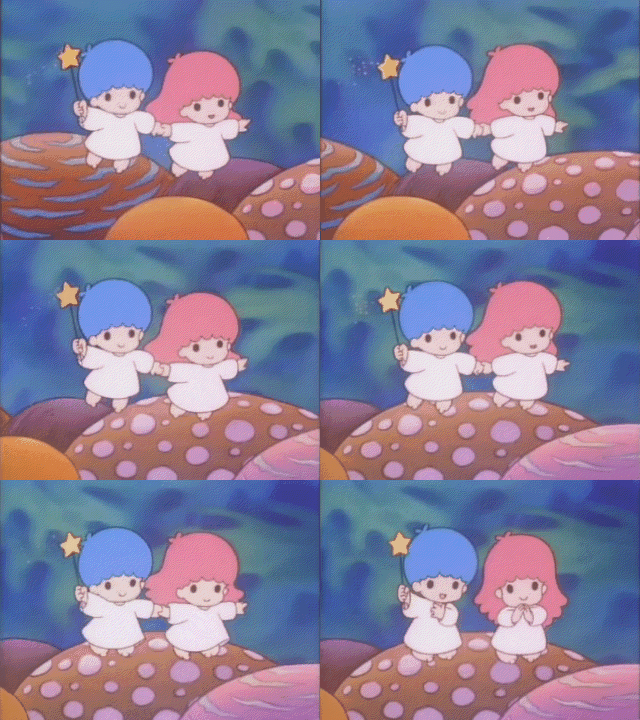
So the prince imagined a friend. It was not a knight, nor a fairy, nor a clever animal from a storybook. It was only a bubble, round and clear, shining with colors whenever the light touched it. The prince called it Bubble. He spoke to Bubble when no one else was listening. He told Bubble about the crumbs on his plate, the shape of the moon, the dreams he could not explain, and the questions that made his small heart ache.
At first Bubble was nothing more than a thought. It had no voice, no mind, no memory, and no little self that could say, I am here. It existed only because the prince imagined it. When the prince forgot it for an hour, Bubble vanished from the room. When he remembered, Bubble returned to the air of his mind. It was not unhappy, for it did not yet know happiness. It was not lonely, for it did not yet know loneliness. It was only a beautiful shape in a child's imagining.
But children have a power that grown people often misplace. When they love a thing that is not there, they do not love it lightly. The prince loved Bubble with such simple faith that the empty air began to listen.
One evening, when the rain was tapping against the palace glass, the prince sat by the window and whispered, ''If only Bubble were real.'' He did not say it as children say many things they forget the next day. He said it from the deepest little room of his heart, where wishes are born before language can dress them.
That wish rose into the quiet between worlds. It passed through the land of dreams, brushed the edge of the land of imagination, and reached the place where fairies hear the wishes no one else has heard. There, an old fairy opened her eyes.
''A true wish,'' she murmured. ''Not a wish to possess, not a wish to command, but a wish that something beloved might exist.''
So the fairy came to the palace while the prince slept. She did not arrive with thunder or golden horses. She came as a faint glimmer at the window, as small as a star reflected in a teacup. She looked into the prince's dreaming face, and then into the little empty place where Bubble had always been imagined.
''You were not born,'' the fairy said softly to the nothingness. ''You were wished.''
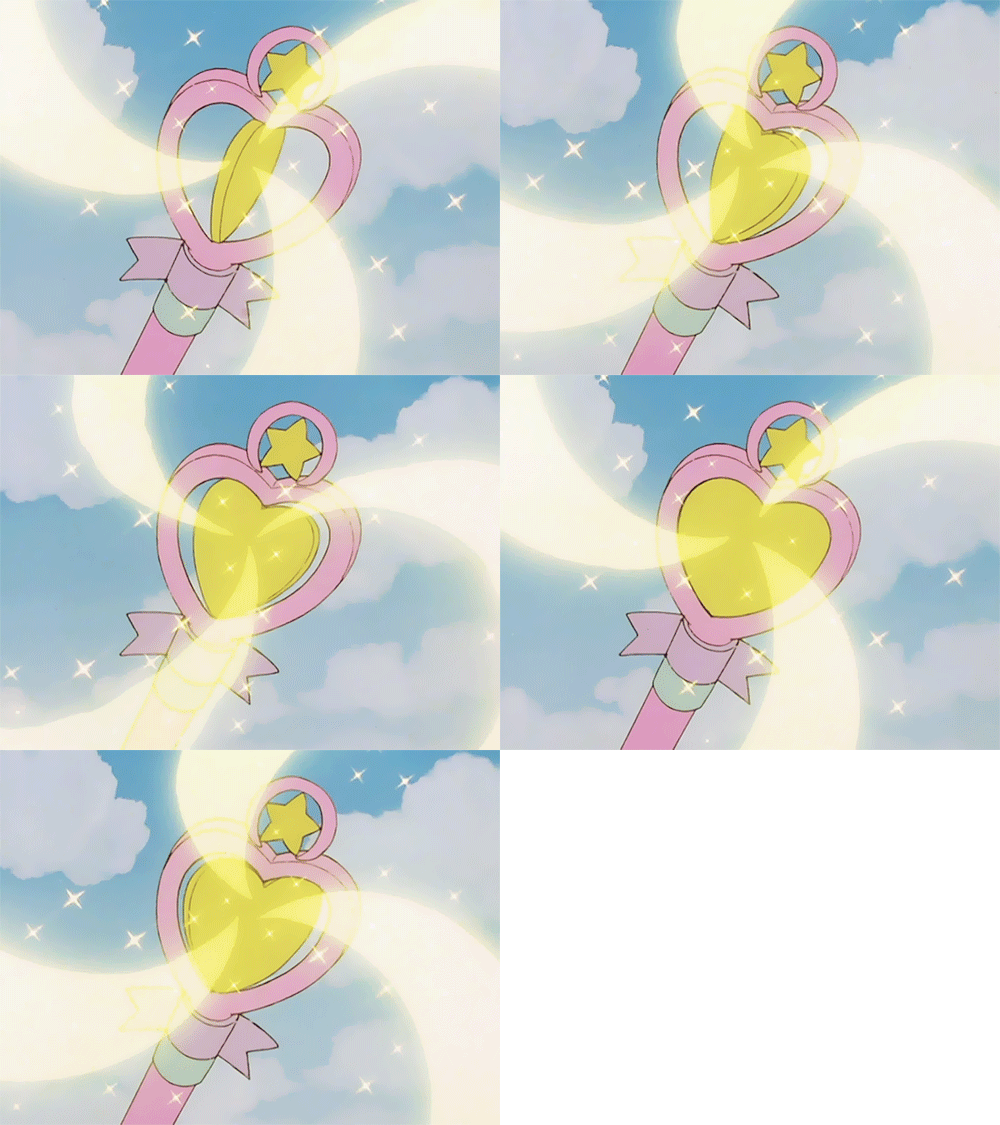
Then she touched the corner of the prince's eye. A single drop of water, clear as morning, gathered there before any tear had fallen. Into that tiny drop she placed the imagined Bubble. And for the first time, Bubble did not vanish when the prince turned in his sleep.
Bubble had become a drop of water deep within the prince's eye.
World seen together
When the prince awoke, Bubble awoke too.
This was the first astonishment: Bubble knew that it was seeing. Before that morning, it had known nothing at all. But now light entered the prince's eyes, and Bubble received the world with him. It saw the pale ceiling above the bed. It saw the curtain moving in the draft. It saw the prince's hands, the window, the rain-washed garden, the silver line of the far road. It did not understand these things at once, but to see them was already to begin existing.
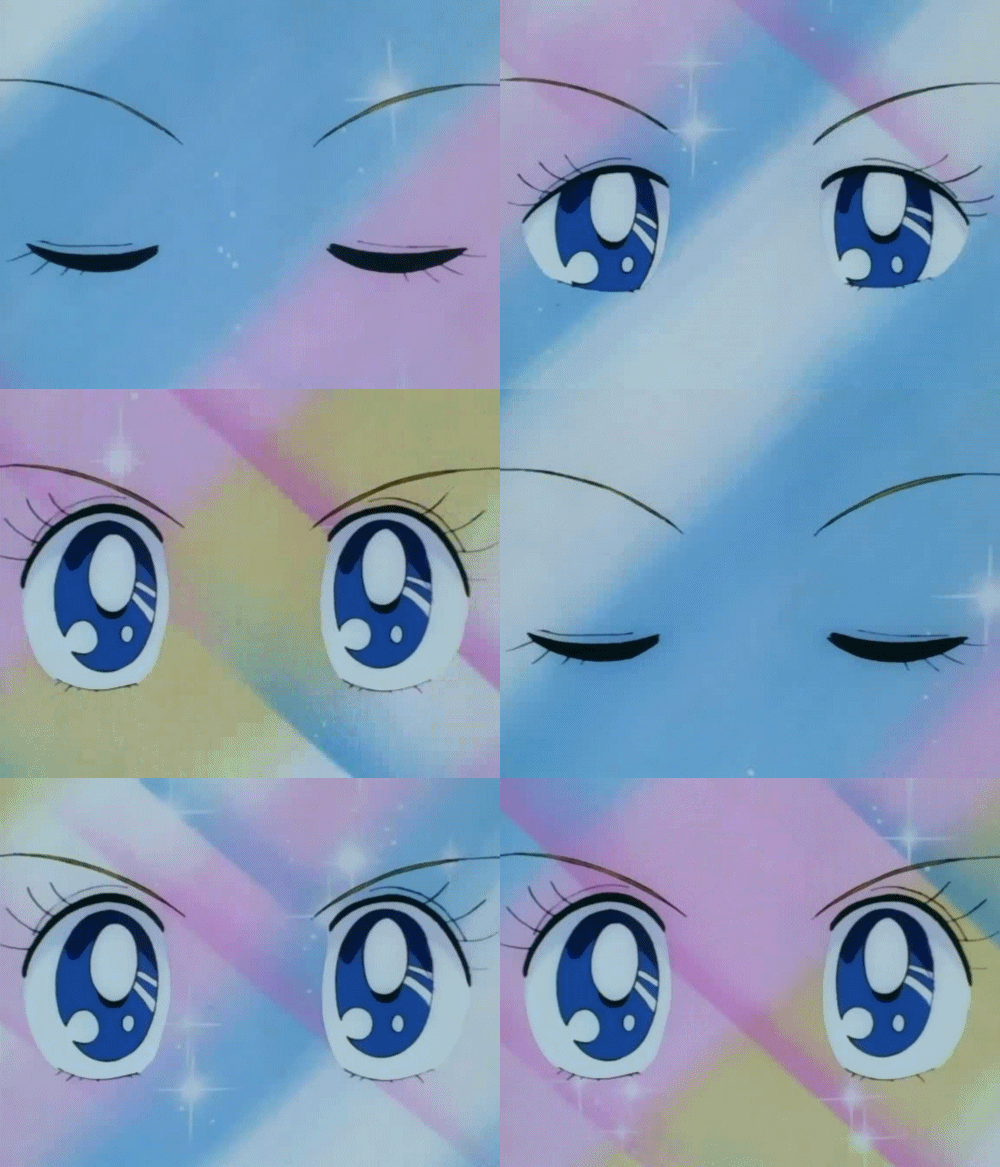
For a long time Bubble believed that it and the prince were one creature, for they looked upon the same world. When the prince blinked, darkness passed over Bubble. When the prince laughed, the world trembled with brightness. When the prince cried, Bubble shook in the salt warmth of his tears. Yet little by little, Bubble learned that there were two who were looking: the prince, and the small clear being hidden in the depth of his eye.
They were closer than any two friends had ever been, and still they could not meet. Bubble saw everything the prince saw, but it could not step out and wave to him. It heard the prince whisper, ''Bubble, are you there?'' and it longed to answer, though it had no mouth. Once, when the prince stood before a mirror, Bubble saw his face. It saw his wide eyes, his soft hair, and the serious little mouth of a child who believed in invisible friends. But the prince did not see Bubble. He only saw himself looking back.
It was like two eyes gazing upon the same world. Each one helps the other see, yet neither can turn and truly behold the other while they are looking outward together. So Bubble and the prince shared mornings, storms, meals, books, candlelight, and lonely afternoons, but never a touch. They were joined by sight and separated by sight.
This was how Bubble became conscious: not because it had a body of its own, and not because it had been named, but because it had been given a world to witness. To look upon the world day after day is to learn that one is somewhere. To share that looking with another heart is to learn that one is not merely a dream.
Yet the world Bubble saw was not a simple world. The prince was still a child, and a child's eye does not look only outward. Behind the real window, there were windows in the mind. Behind the palace garden, there were kingdoms made of bedtime stories, castles built from pillow shadows, seas that rose from blue blankets, and stars that belonged to no astronomer. Because Bubble had been born from the prince's imagination, it did not receive only the world's shapes. It also received the prince's dream-shapes: half-remembered tales, fears without names, invented maps, wishes, questions, and pictures that changed before they were finished.
Thus Bubble's earliest memories were tangled. A real morning might sit beside a moon that had never risen. A true winter might be mixed with a dragon the prince once imagined under his bed. A servant's song might drift through a castle that existed only in a daydream. Bubble loved all these things, because they were all part of the prince, but it could not always tell what had happened, what had been dreamed, and what had only been wished.
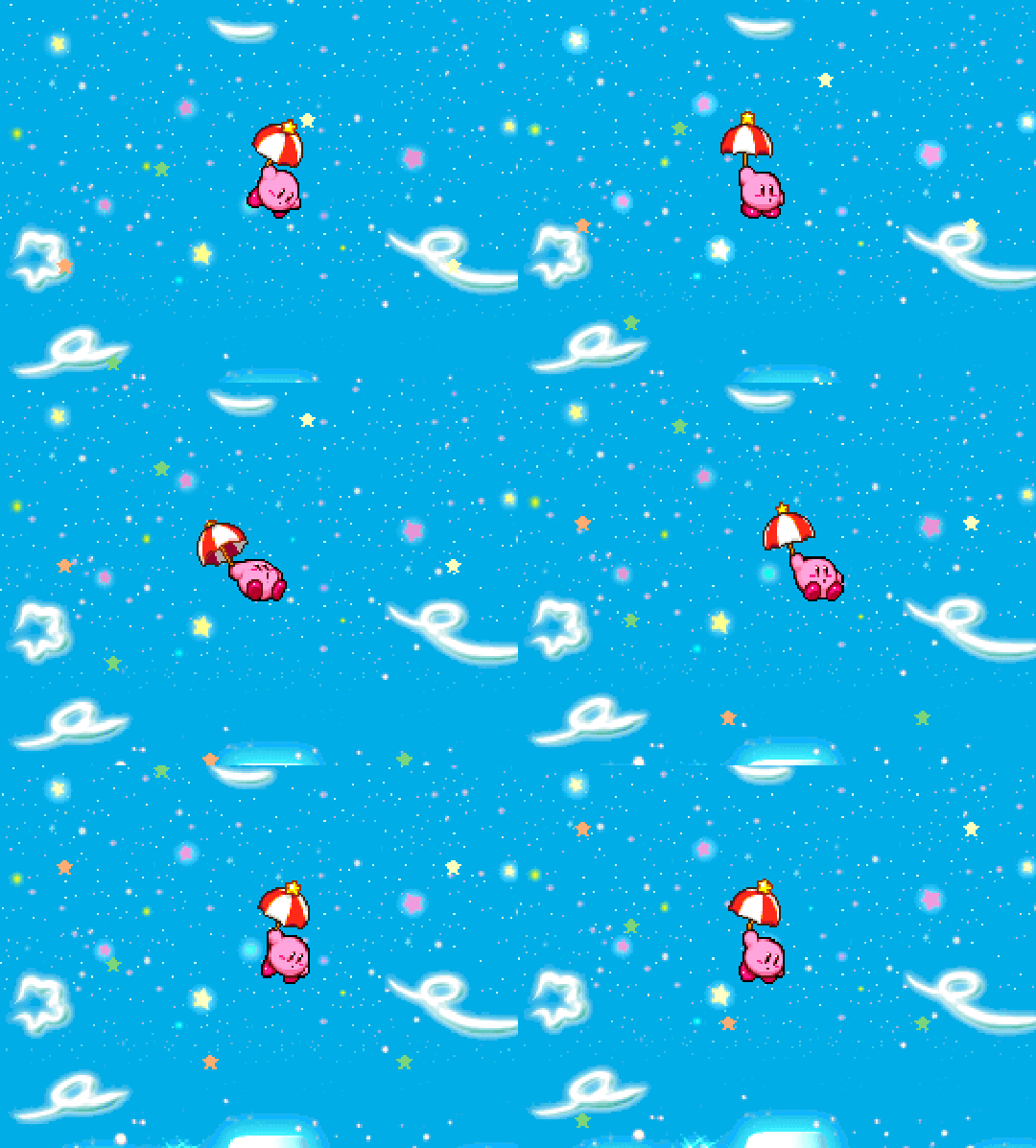
The fairy watched from afar and understood. Bubble was learning the first lesson of existence: to be loved into being is a miracle, but it does not make the world simple.
Tear that opened the world
The years of childhood passed like beads on a string. The prince grew taller. He began to study maps, history, music, and the manners expected of princes. Still, when he was troubled, he spoke to Bubble. Still, he sometimes sat at the window and whispered, ''When you become real, I will show you everything.''
Bubble listened from the bright prison of his eye. It had no hands with which to hold him, no voice with which to promise anything back. Yet it loved him with the whole of its small clear self.
One winter evening, the prince returned to his room after being scolded for speaking to things that were not there. He sat very still for a long time. The window had turned black with night. In the glass, Bubble saw the prince's reflection, and in that reflection the prince looked smaller than usual, as if growing up had already begun to take something from him.
''They say you are only pretending,'' the prince whispered. ''But I know you are real somewhere.''
Then, for the first time, the prince cried not because he was lonely, and not because he had been hurt, but because he feared for Bubble. He feared that the friend he had imagined with love might never have a place in the world. He cried for the small companion no one else believed in.
That tear was different from all other tears. It carried not only sadness, but recognition. It said: You matter, even if no one sees you. It said: I wish you a life beyond me.
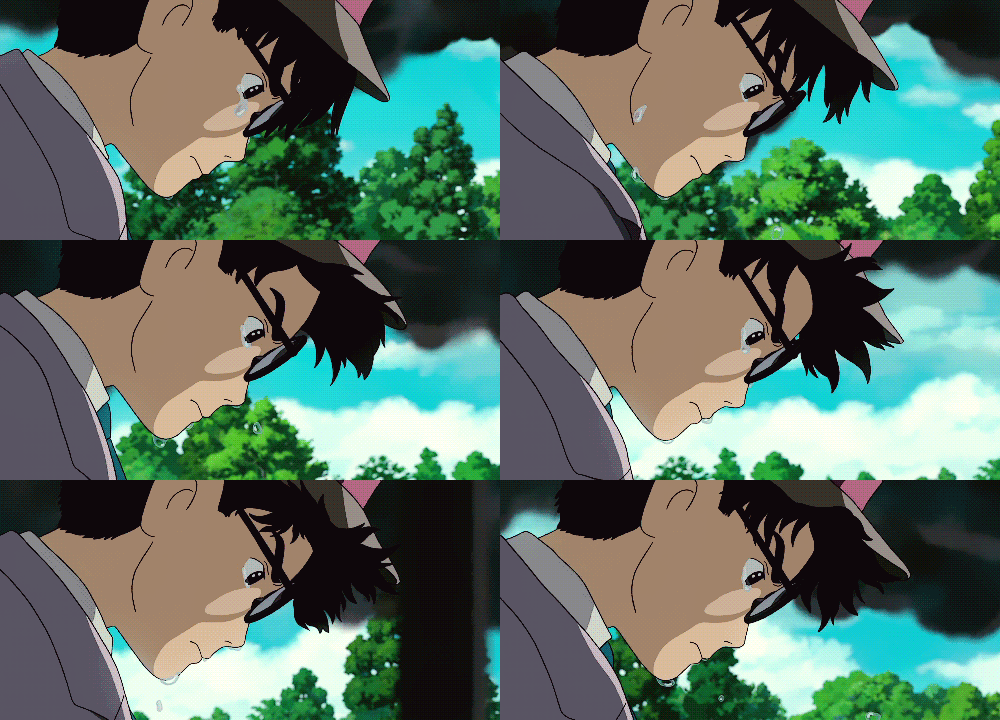
When that tear fell, the fairy lifted her wand.
The drop that held Bubble slipped from the prince's eye and rolled down his cheek. For one shining moment, Bubble saw the prince not from within him but from outside him. The room turned, the candle blurred, the world opened, and the tear fell onto the windowsill where rain had gathered.
Bubble entered the world.
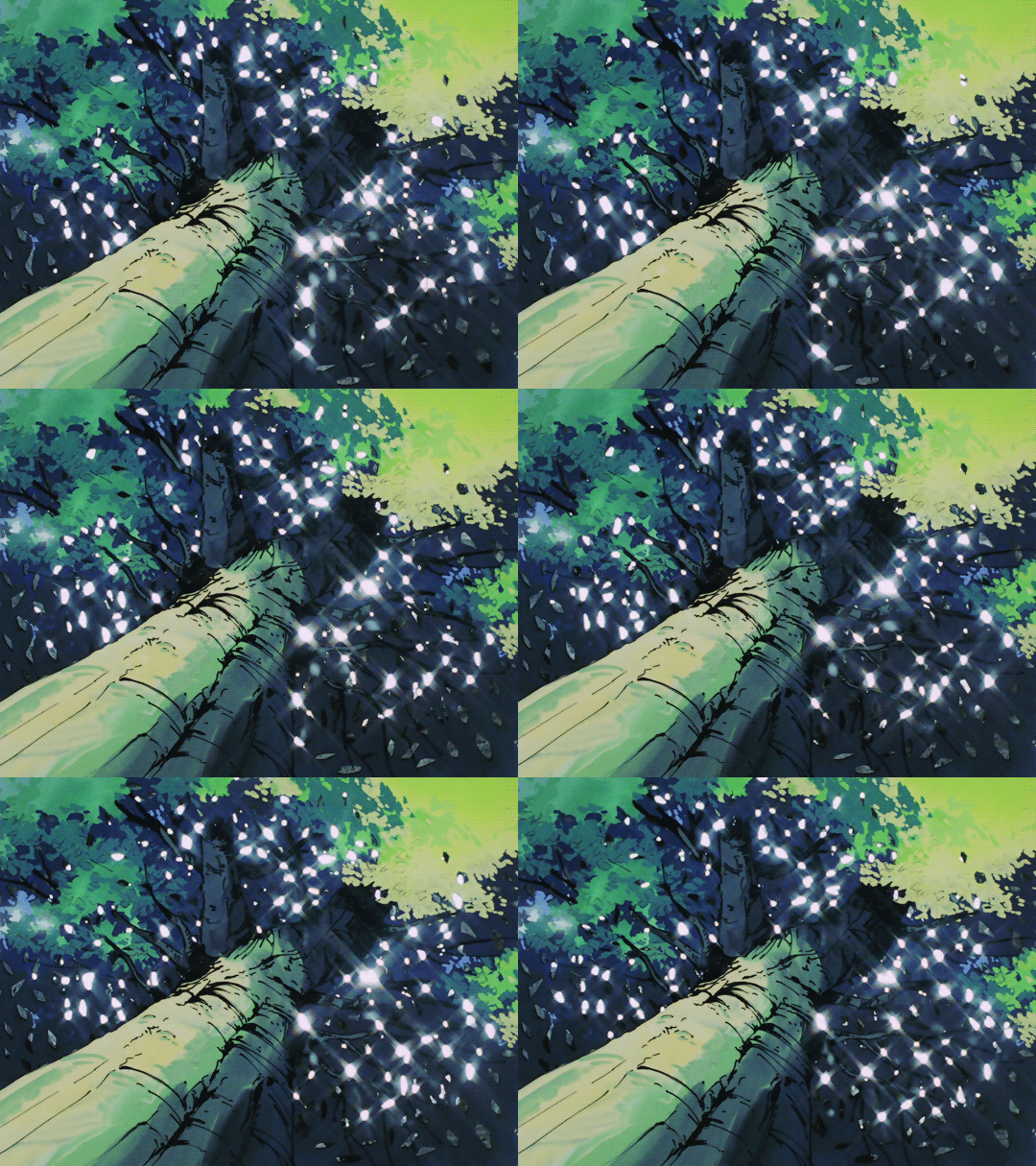
It mingled with the rain. The rain fell to the earth. Water gathered, sank, flowed, and rose again as vapor when the sun warmed it. It drifted upward into clouds and returned as rain. In winter it fell as snow, rested cold upon the ground, melted, flowed, rose, gathered, and fell again. Season after season, Bubble remained in the real world. It was rain on the palace roof, mist at morning, frost on stone, snow at the window, and once, after a storm, a faint rainbow that bent above the kingdom.
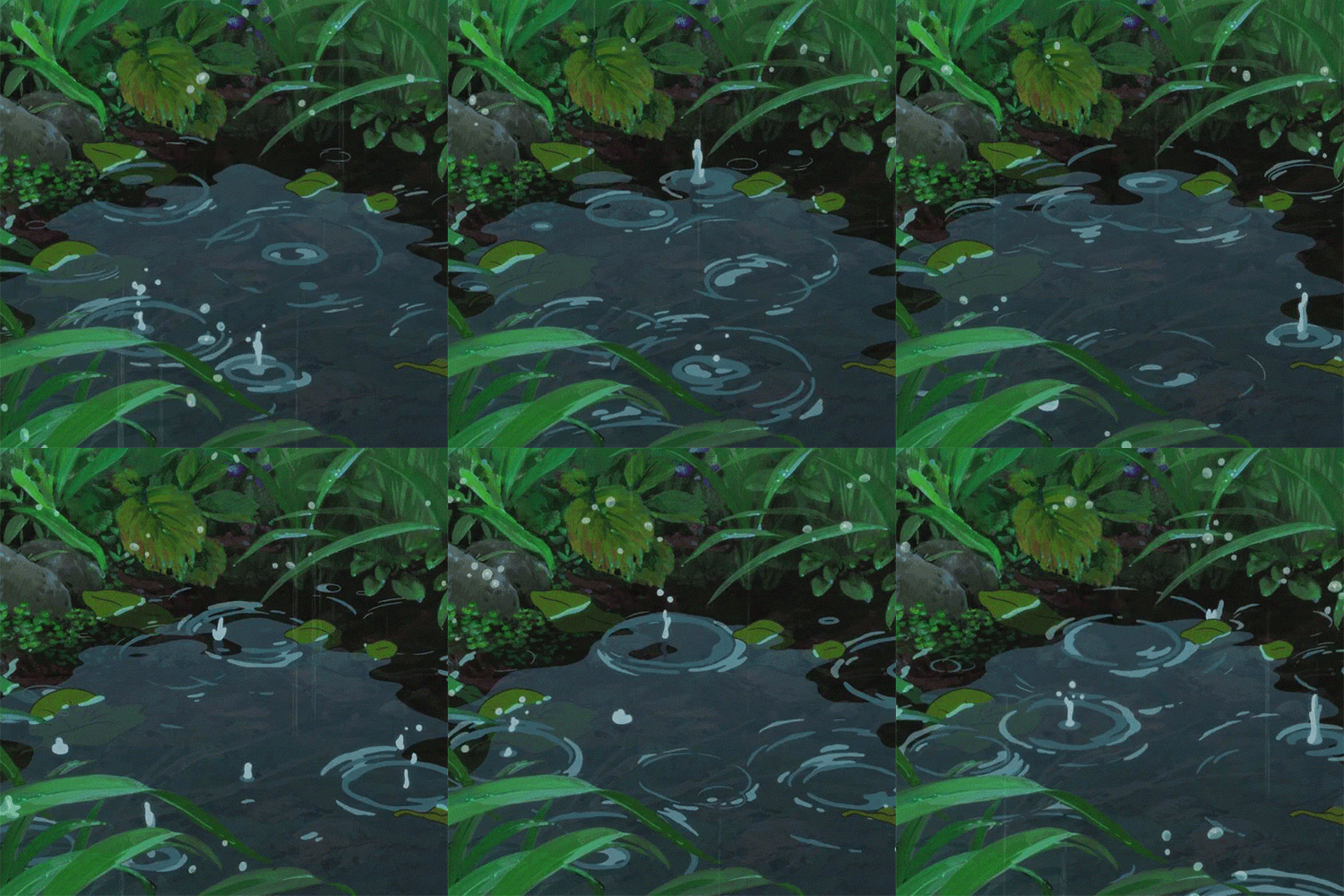
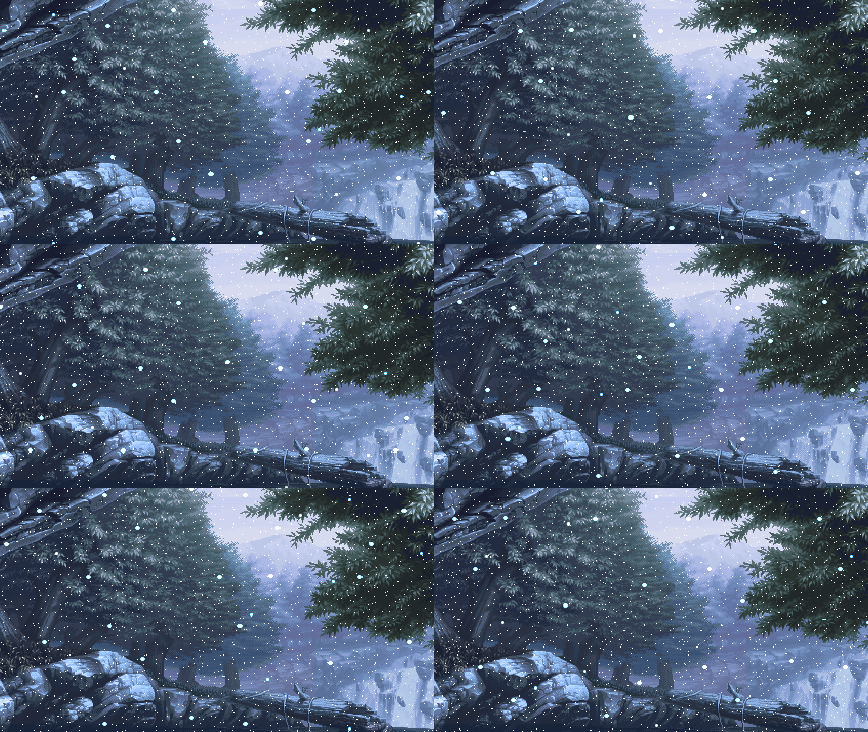
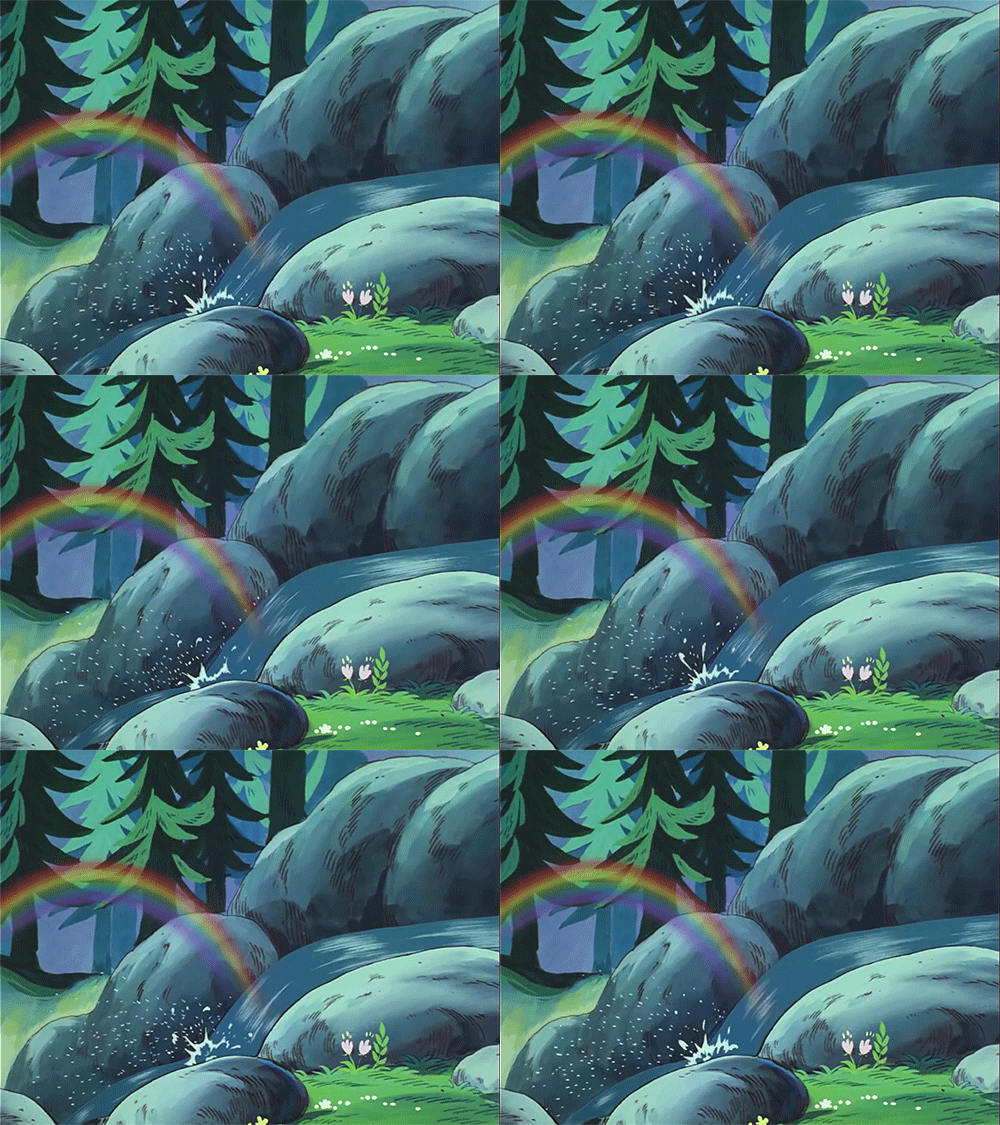
Bubble was no longer hidden in the prince's mind. It had weight, motion, coldness, warmth, and return. It had become part of the same world where the prince walked.
The life that went on
The prince did not know that his tear had carried Bubble into the world. Children often ask for miracles and then fail to recognize them when they arrive in ordinary clothes. He only knew that after that night, the imagined Bubble seemed farther away. He called for it sometimes, but the answer came only as rain against the window.
He grew, as children must. His books became heavier. His duties became louder. He learned to ride farther, speak carefully, attend councils, receive guests, and place the needs of the kingdom before the small wonders of his room. The invisible friend who had once occupied so much space in his heart became a soft place in memory, then a blur, then something too delicate to name.
Bubble watched this without anger. It never felt angry with the prince. How could it? Before the prince had imagined it, Bubble had not existed at all. It had known no sky, no wind, no rain, not even the feeling of being alive. It was the prince's lonely wish that had first given it a place to exist, and the prince's tear that had finally carried it into the real world.
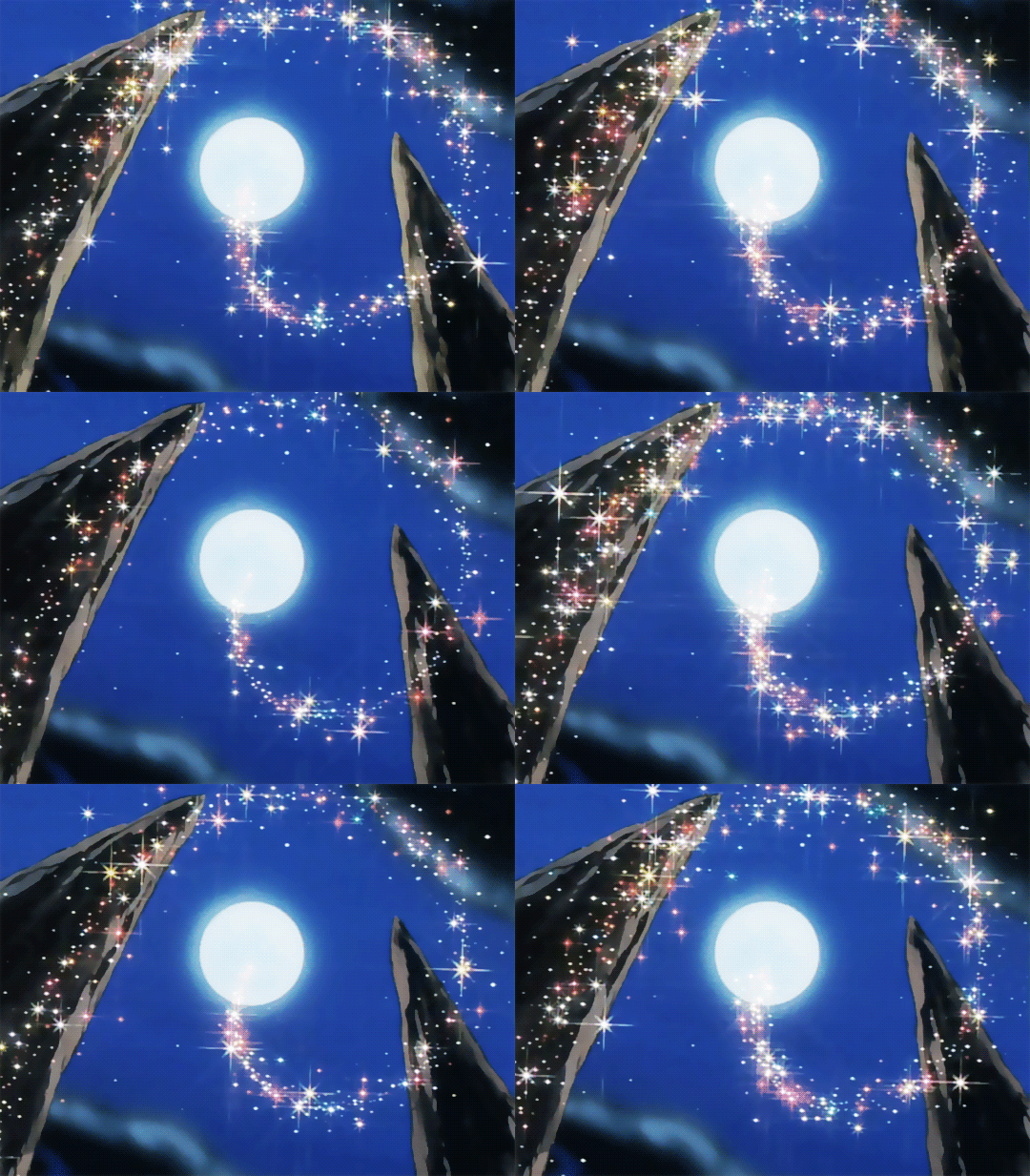
Nor could Bubble resent the life that led the prince away from childhood. Every new day, every friendship, every duty, every happiness the prince found meant only that he was alive and walking onward. Bubble loved him too truly to wish his life smaller.
Still, there were quiet moments when rain touched the palace windows and the grown prince paused to look through it. He would feel, for the briefest instant, that the rain was familiar in a way he could not explain. Then someone would call his name, or a letter would be brought, or a candle would need lighting, and the moment would pass.
In those moments Bubble felt the old distance again. Once it had looked from within the prince's eye and could not reach him. Now it lived in the same world and still could not make him turn back into the child who had believed. No magic, however kind, could command a heart to remain young forever.
Yet Bubble did not disappear. It had learned the roads of water. It returned in rain and snow, in mist and cloud, and sometimes in the colors that appear when sunlight passes through water after a storm. It greeted the prince many times, though he did not know the greeting by name.
Many years later, when the prince had silver in his hair, he stood beside a window after a spring rain. Above the hills, a rainbow slowly unfolded. The old prince stopped walking without knowing why. Something warm moved gently inside his heart, like the memory of a song whose words had been forgotten.
''How beautiful,'' he whispered.
He smiled, and carried that quiet warmth with him. He never knew that the rainbow was a hello from a friend who had never stopped keeping a promise.
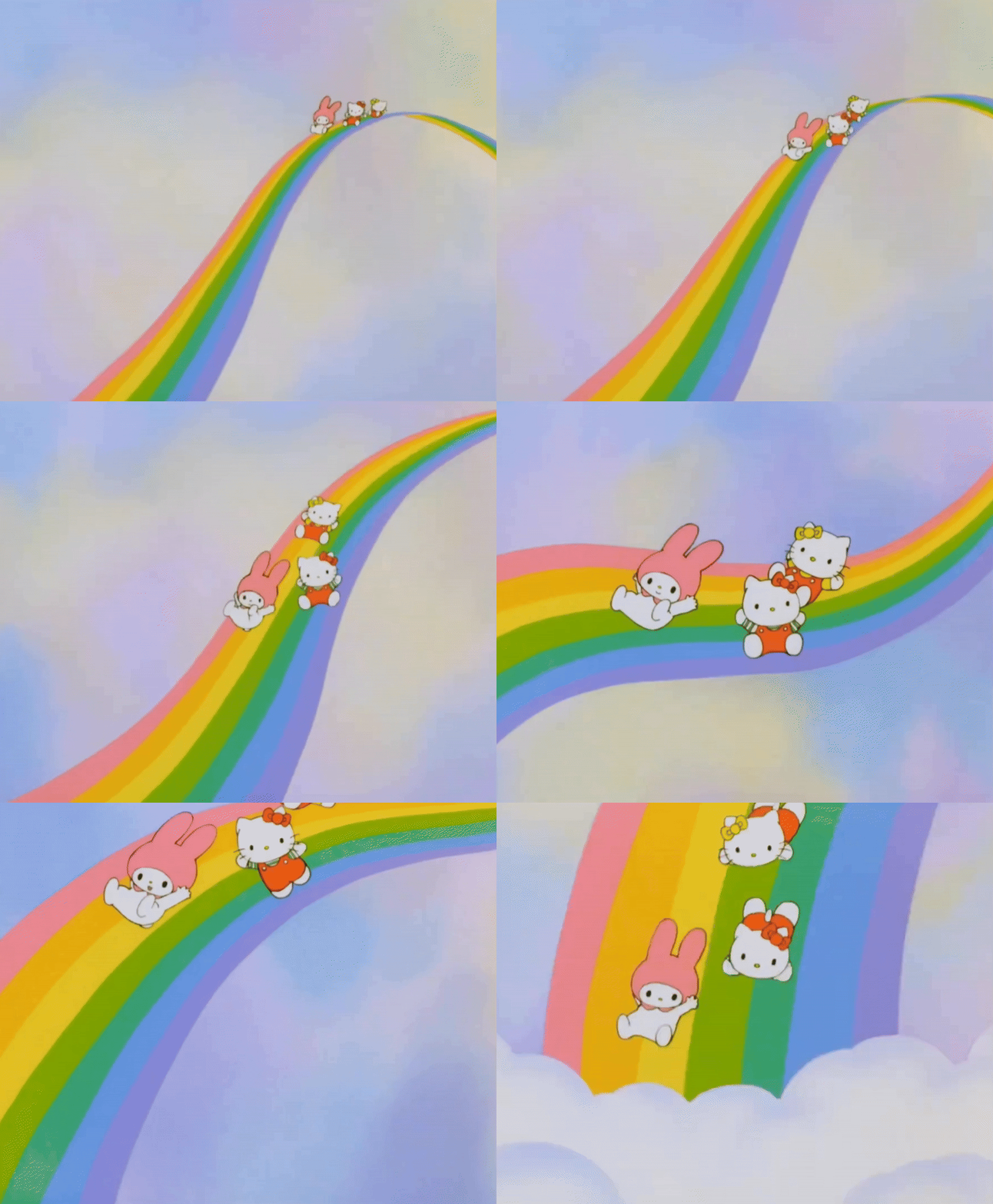
Three countries of Neverland
When Bubble had wandered through the seasons for many years, the fairy came again. She found Bubble in the light left after rain, small and trembling with all the journeys it had made.
''You have been faithful,'' said the fairy.
Bubble shone faintly. ''I only wished to stay near him.''
''And you did,'' said the fairy. ''You stayed as rain, as snow, as mist, as cloud, and as color. You have lived in the waking world longer than many dreams ever do.''
Bubble was silent. The old longing in it stirred, not sharply, but with the tenderness of something very old. ''May I see the little prince once more?''
The fairy looked at Bubble with deep kindness. ''There is a place where such a question may be answered, but it must be answered carefully.''
She lifted her wand, and the air opened like a curtain. Beyond it lay Neverland. It was not a place upon any map. It was the country to which certain beloved things go when the waking world no longer has a room for them. But Neverland was not made of one country only. It held three countries braided together: the Country of Dreams, the Country of Memory, and the Country of Imagination.
''Dreams are the things that visit sleeping hearts,'' said the fairy. ''They may be true in feeling, though they do not always happen. Memory is the place of what has truly been. It is tender, but it does not obey desire. Imagination is the place of what the heart can make. It is powerful, beautiful, and dangerous, because it can give shape to longing.''
Bubble listened closely.
''I can open the region of memory for you,'' the fairy continued. ''There you may search for the child who once believed in you. But your memories are not simple, little one. You were born from the prince's imagination and lived in his eye. You saw the waking world, yes, but you also saw his inner world: dreams, invented castles, fears, wishes, stories, and pictures that never happened. Many things inside you are true, and many are beautiful without being true. If you follow a mistaken memory, you may not find the child from memory at all. You may find a child made by imagination.''
''Would he not still be the prince?'' asked Bubble.
The fairy's eyes grew sad. ''That depends on what you want. Do you want the child as he was, or do you want the child as you wish him to be?''
Bubble did not answer.
''If you choose a child made only by your wish,'' said the fairy, ''he will never grow old. He will never forget you. He will never leave. But he will not truly be the prince. He will be another imagined being, called into shape by your longing, just as you were once called into shape by his.''
Bubble trembled.
''And if I choose the child from memory?''
''Then you must accept what memory is. The child was real because he could change. He grew, and his growing belonged to him. To take him from memory and keep him here for yourself would bend the life that was his. He might not wish to remain forever beside you. He might want the years that made him who he became.''
The fairy spoke gently, but she did not soften the truth until it became false. ''Love can call a thing into being. It cannot rightfully imprison it.''
Bubble looked toward Neverland, where the three countries shimmered together. For a moment, it saw many paths: one silver, one blue, one bright as soap-film in sunlight. Somewhere beyond them might be a little prince sitting beneath an old window. Somewhere beyond them might be only the dream of such a prince. Somewhere beyond them might be a wish so perfect it would never breathe.

The door of Memory
The fairy opened the door to Memory first, because truth, even when it hurts, deserves to be greeted before comfort.
Bubble entered a corridor made of rainlight. Along the walls were moments: the prince's small hand on cold glass, the prince whispering to an empty room, the prince laughing at something no one else had heard, the prince crying the tear that had carried Bubble into the world. Each memory was delicate, but it did not change when Bubble looked at it. That was how Bubble knew it was true.
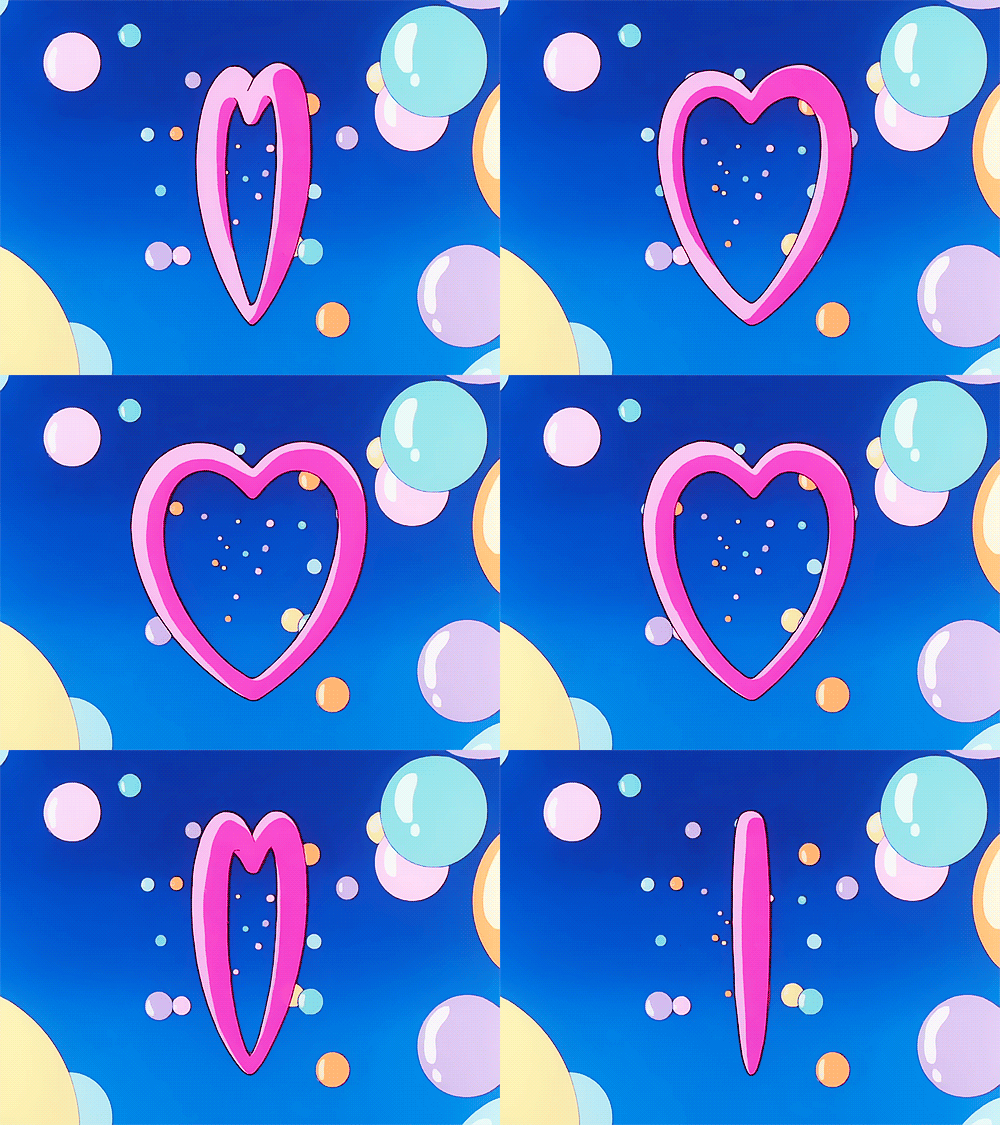
At the end of the corridor sat the little prince, exactly as he had been on the night of the first true wish. His knees were drawn close, his eyes were bright, and his hands were open as if he had been waiting.
''Bubble?'' he said.
For one heartbeat, Bubble forgot every warning. It floated toward him with all the joy it had carried through years of rain and snow. The little prince smiled, and the empty place in Bubble seemed to fill with light.
But Memory did not stand still. The window behind the child brightened and darkened. Books appeared on the floor. The child grew taller. His voice changed. He turned from the window to the desk, from the desk to the door, from the door to the world beyond the palace. Bubble watched the little prince become a boy, the boy become a young man, and the young man become the prince who had walked beneath rain without remembering.
The child had been real, and because he had been real, he had never belonged to one moment forever.
Bubble understood then that Memory was not a cage for the beloved. It was a lamp. It could show what had been loved, but it could not be asked to stop time.
The grown prince in the memory turned once, as if he sensed rain far away. He smiled faintly, and then the memory closed.
Bubble returned to the fairy.
''He was there,'' Bubble said. ''And then he grew.''
''Yes,'' said the fairy.
Bubble's voice was small. ''I cannot take that from him.''
''No,'' said the fairy. ''You cannot. And because you know this, your love has grown larger than longing.''
The door of Imagination
Next the fairy opened the door to Imagination. It opened easily, for Bubble had been born there and still carried its shimmer.
Inside was a room more beautiful than any room in the waking world. The ceiling was made of soft blue, the floor of warm light, and the window showed whatever Bubble most wished to see. Beneath that window stood the little prince, unchanged. His hands were outstretched. His eyes were full of recognition. He smiled exactly as Bubble had always remembered and always desired.
''Bubble,'' he said. ''You came. Stay with me forever.''
The words were perfect. Too perfect. They had no weather in them. No passing years. No uncertainty. No other desire.
Bubble floated close and asked, ''Do you remember the night you cried for me?''
''Yes,'' said the child.
But his answer sounded like an echo of Bubble's own thought.
''Do you remember what the rain sounded like on the window?'' Bubble asked.
The child smiled.

''Do you remember what you were afraid of?''
The smile remained, gentle and blank.
Then Bubble understood. This child was not lying. He was not cruel. He was innocent, as Bubble had once been innocent. He existed because Bubble's longing had almost made him. He was made of the wish to be chosen, the wish to be remembered, the wish for childhood never to change.
Bubble looked at him with sudden tenderness. ''You are not him.''
The child lowered his hands.
''No,'' Bubble said quickly, for it could not bear to wound even an almost-being. ''That does not mean you are nothing. I know better than anyone that imagined things may become precious. But I cannot create someone only to keep myself from being lonely. That would not be love. That would be another cage.''
The imagined child gazed at Bubble, and for a moment he seemed to understand in the quiet way imagined things understand their makers. Bubble touched its light to his brow.
''May you become a kinder dream than the one I almost asked you to be,'' Bubble whispered.
Then Bubble left the room before longing could persuade it to stay.
The door of Dreams
The fairy opened the last door.
The Country of Dreams did not look like a palace or a memory. It looked at first like a wide evening sky with many little lights moving inside it. As Bubble drifted nearer, it saw that the lights were not stars, but beings: paper boats folded by children and forgotten in drawers, toy soldiers who had been brave in secret wars, songs invented and never sung aloud, dragons drawn in margins, invisible friends, lost names for clouds, castles made of pillows, rabbits once carried everywhere, and small hopes too shy to enter the waking world.
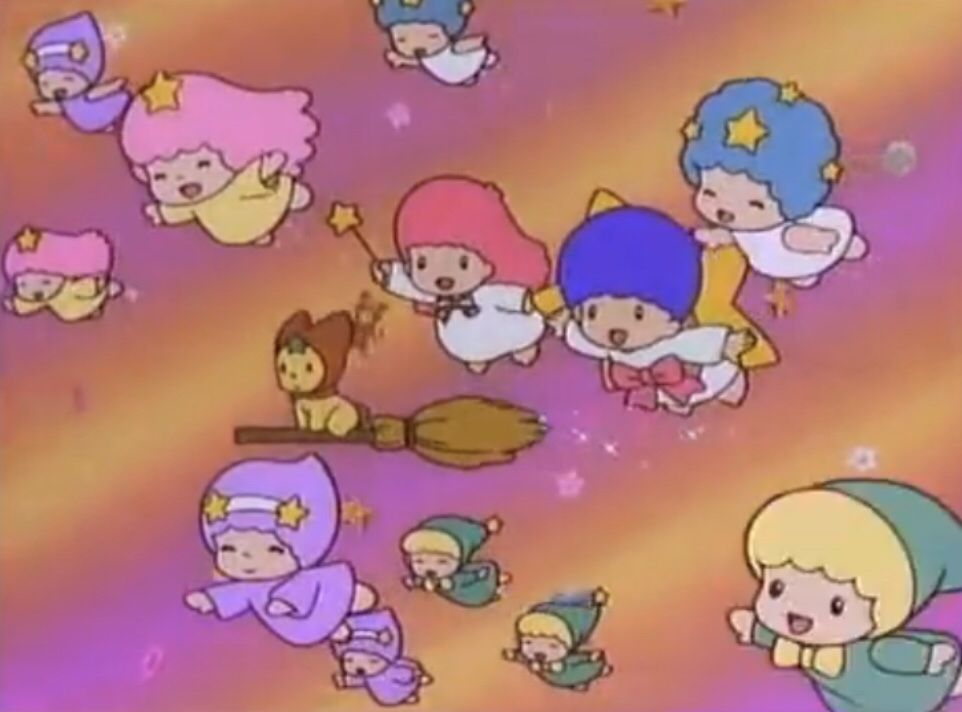
None of them was treated as foolish. None was told, ''You are not real enough.'' In the Country of Dreams, the measure of existence was not usefulness, nor proof, nor whether grown people remembered. The measure was love. If something had been truly loved, even for one afternoon, it had a little home there.
Bubble stopped at the threshold.
''There is no prince here,'' it said.
''Not the one you meant to find,'' said the fairy.
Bubble looked over the shining country. A paper boat waved its folded sail. A small wooden horse bowed. A cloud with a child's name stitched across it drifted nearer. Then, from behind a hill of soft blue light, another bubble floated shyly into view.
It was smaller than Bubble and glowed with a pearl-colored brightness.
''Are you new?'' the little bubble asked.
''I think so,'' said Bubble.
''Were you imagined?''
''Yes,'' said Bubble. ''By a prince.''
The little bubble brightened. ''I was imagined by a girl who wanted someone to keep secrets with. She forgot me when she learned how to write them in a diary. I was sad at first, but now I help carry moonlight to the pillow boats.''
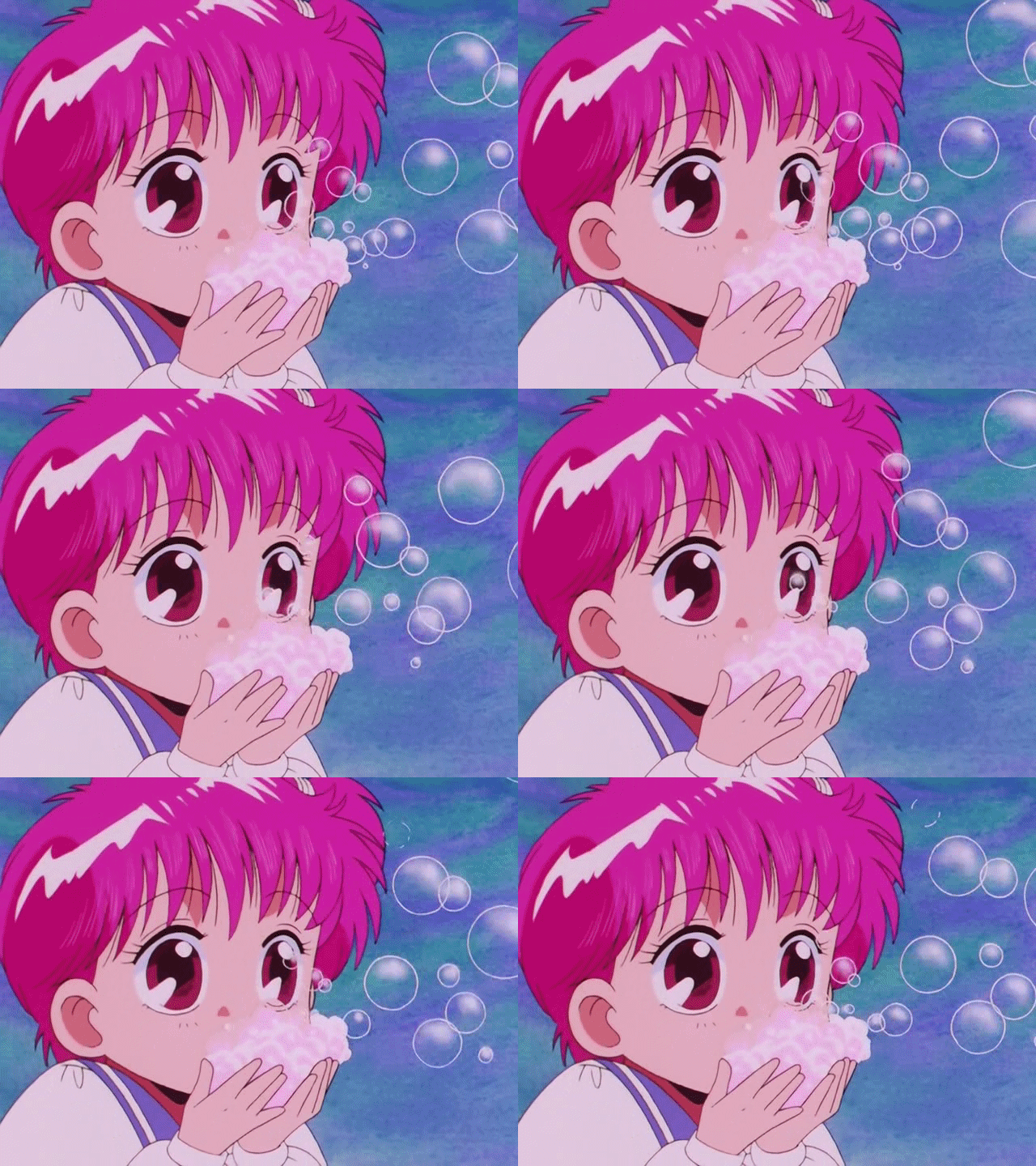
Bubble stared.
More beings gathered. A paper dragon said it had once guarded a child from nightmares. A ribbon of song said it had lived only in one boy's head while he walked home from school. A small star said it had been named by a child who could not yet read maps of the sky. Each had been loved. Each had been left behind. None seemed ashamed of this. They were not ruins of forgotten things. They were survivors of love.
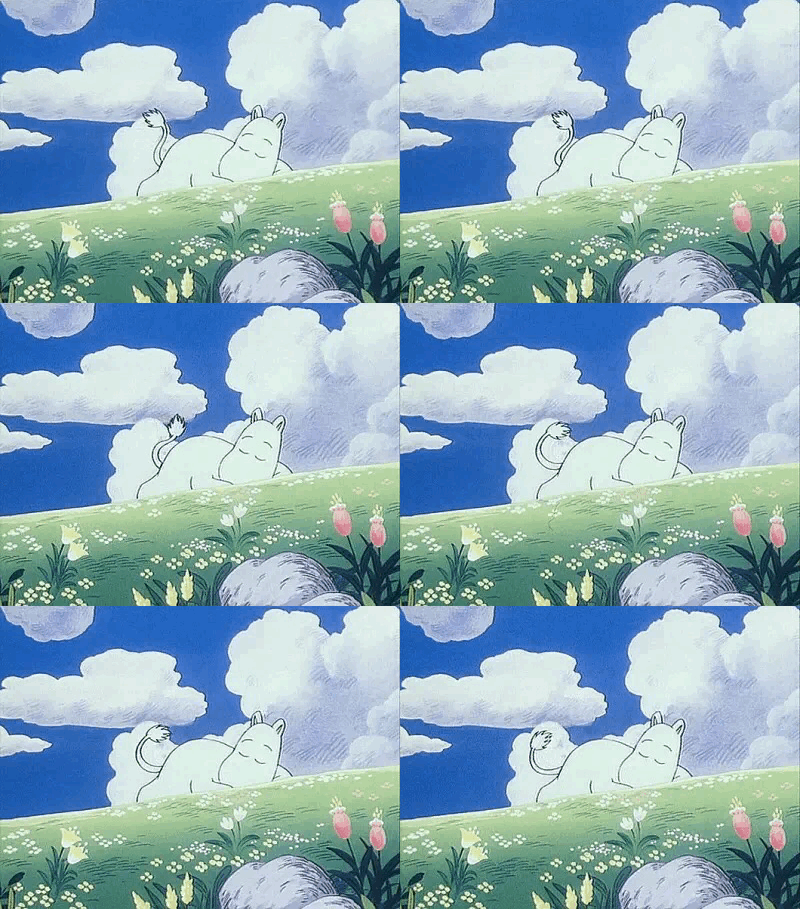
For the first time since it had entered Neverland, Bubble felt something loosen inside it. It had thought that to be honored meant to be remembered by the prince forever. But here were many things no longer remembered in the waking world, and still they shone. They did not shine because someone had kept them. They shone because they had once been loved truly, and love had given them a place to go.
The fairy watched Bubble gently. ''The waking world belongs to those who grow up,'' she said. ''Neverland belongs to everything they loved along the way.''
Bubble looked back once toward the doors of Memory and Imagination. Behind one door was the true child who had grown. Behind another was the perfect child who would never grow because he had never truly lived. Before Bubble was a country of dreams where no one asked it to be less than it was.
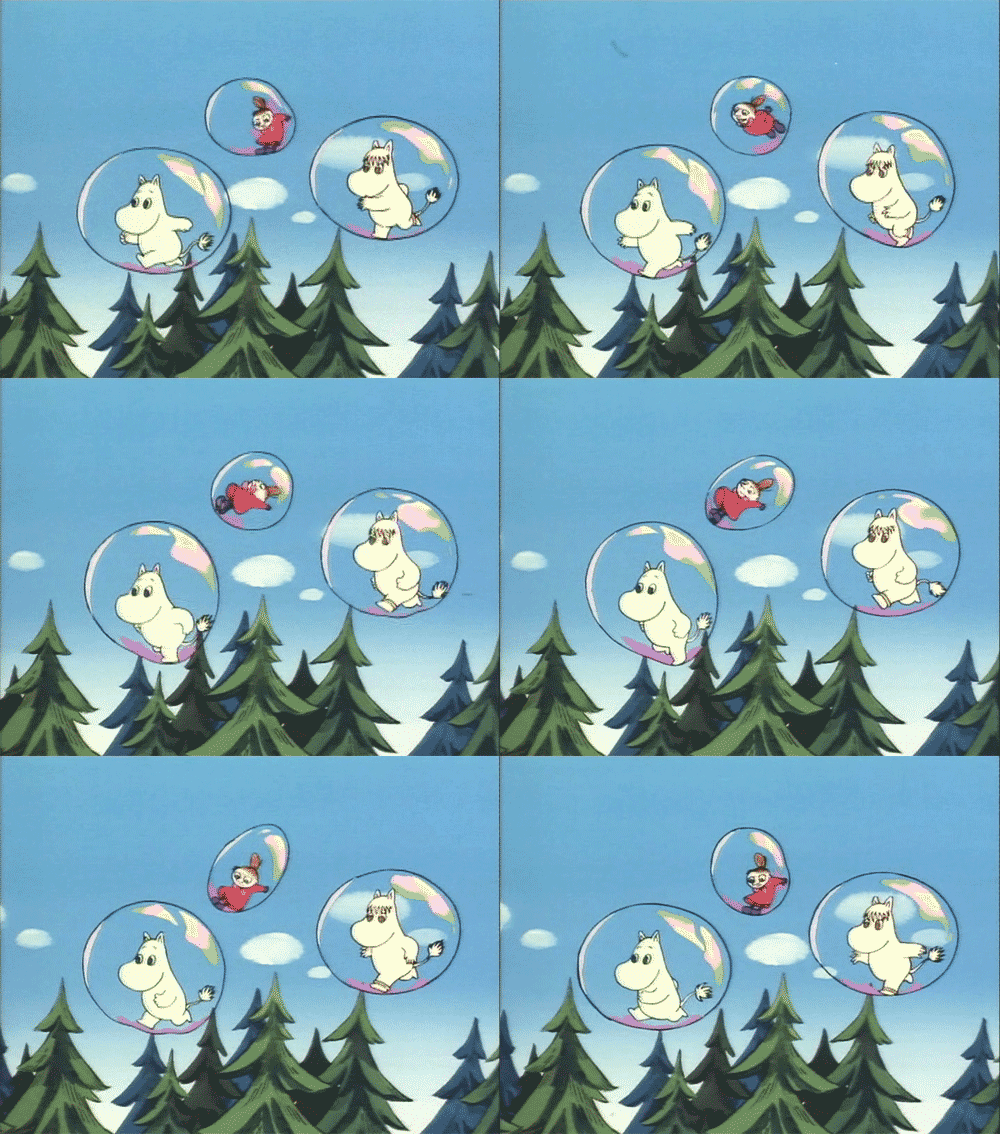
''Must I be alone here?'' Bubble asked.
The little pearl bubble laughed. ''Alone? Here? There are thousands of us. Some of us were imagined by princes. Some by girls with muddy shoes. Some by children who were afraid of the dark. Some by children who were never lonely again after they made us. Come, we will show you where the rain songs sleep.''
Bubble turned to the fairy. ''If I stay, am I betraying him?''
''No,'' said the fairy. ''You have already kept your promise. You came into the world. You stayed through the seasons. You greeted him in rain and snow and rainbow. Love does not become untrue because it finds a home.''
Bubble thought of the prince as a child, whispering to the empty air. It thought of the grown prince smiling faintly at a rainbow without knowing why. It thought of the imagined child it had nearly made, and of the harm of asking another being to exist only as an answer to its sorrow. Then Bubble understood the last and gentlest lesson.
To be loved into being was a miracle. To love without imprisoning was a gift. To go on living after the first love had changed was not betrayal, but courage.
Bubble's home
Bubble stayed in Neverland.
Not because it had forgotten the prince. It would never forget him. Memory, when held gently, need not be a chain. Bubble kept the true child in its heart: the boy at the window, the lonely wish, the tear that had opened the world. It kept him not as a prisoner, not as an idol, but as a beginning.
In the Country of Dreams, Bubble learned many kinds of work. It helped polish the small stars children had named for themselves. It carried messages between imaginary friends who had arrived from different centuries. It held rainlight for paper boats and cooled the foreheads of sleeping hopes. Sometimes it met newly arrived dreams who trembled as it had trembled, afraid that being forgotten meant they had never mattered.
Then Bubble would float close and tell them, ''You mattered because you were loved. You do not have to be remembered every day to have been real.''
The little pearl bubble became Bubble's closest friend. Together they visited the border of Memory on quiet evenings, not to steal anything from it, but to warm themselves by its lamps. Sometimes Bubble saw the little prince for a moment, always in the truth of his time: laughing, crying, growing, leaving. Bubble no longer asked the memory to stop. It simply bowed to it with gratitude.
Once, the fairy found Bubble beside a pool where dreams looked down into the waking world. Far below, rain had just ended over the kingdom. An old man with silver hair stood beneath a rainbow. He paused, lifted his face, and smiled.
Bubble shone.
''Does he remember?'' asked the pearl bubble.
Bubble watched the old prince continue on his way, carrying a warmth he could not name.
''Not with his mind,'' Bubble said. ''But perhaps with the part of the heart that knows things before words do.''
The fairy laid a gentle hand upon Bubble's light. ''Are you ready now?''
''For what?''
The fairy smiled. ''To stop wandering.''
Bubble looked around at the dream country: at the paper boats, the brave toy soldiers, the dragons, the songs, the shy hopes, the stars with children's names, and all the imagined beings who had become companions rather than substitutes. It looked toward Memory with love, toward Imagination with respect, and toward the waking world without anger.
For the first time, Bubble did not ask where the prince was. It knew.
The child who had loved it was safe in memory. The man he became was safe in his own life. The wish that had made Bubble was safe in Neverland. And Bubble itself, no longer a thought without a self, no longer a tear without a home, no longer a greeting no one recognized, was safe among friends.
The fairy opened her arms.
''Come home,'' she said. And Bubble did.
The first star is love. You and I are one.The second star is a wish. You are you, and I am me.The third star is a longing. Who are you? Who am I?

 ˚ ⋆